
Struggling to Pay Rent? Here's How Federal Housing Assistance Works—And How to Access It
When rent consumes half your paycheck, stability feels out of reach. Yet federal housing programs exist to ensure low-income families, seniors, and people with disabilities pay only what they can afford—typically around 30% of their adjusted income—while the government covers the rest directly to landlords. About 970,000 households currently live in HUD-supported housing, including thousands of seniors residing in dedicated apartments designed for aging residents. The barrier isn't eligibility—it's awareness.
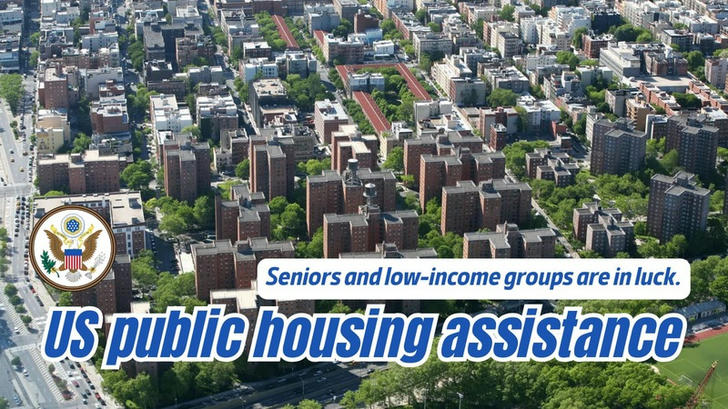
Three Types of Federal Rental Assistance—Know the Difference
Federal aid falls into three categories, each with distinct rules:
- Public Housing: Apartments or townhomes owned and managed by local housing authorities. Many developments include specialized apartments for seniors with accessibility features.
- Housing Choice Vouchers (Section 8): Participants find their own private-market rental unit—whether an apartment, house, or duplex.
- Project-Based Section 8: Subsidies are tied to specific privately owned buildings, often featuring dedicated apartments for seniors.
Eligibility Depends on Location, Income, and Household Size
There's no national income cutoff. Limits are set by county or metropolitan area, based on local median incomes:
- Low-income: up to 80% of area median income
- Very low-income: up to 50%
A family of four in Los Angeles County may qualify with income under $68,000, while the same family in rural Mississippi might qualify below $42,000. Seniors on fixed incomes often meet these thresholds even with modest Social Security benefits. U.S. citizenship or eligible immigration status is required. Past rental issues don't automatically disqualify applicants—local housing authorities review each case individually, with special consideration sometimes given to seniors and households with disabilities.
The Real Challenge: Waitlists Often Stretch for Years
Demand far exceeds available units. In many cities, waitlists for vouchers or public housing remain closed—or require 5 to 10 years of waiting.
However, some housing authorities prioritize:
- Households experiencing homelessness
- Survivors of domestic violence
- Veterans
- Families living in unsafe or severely overcrowded conditions
- Seniors aged 62 and older, especially those seeking accessible apartments
Asking, "Are applications being accepted? Do you have preference categories for seniors?" could make the difference between years of waiting and immediate placement in suitable apartments.
How to Apply—What to Expect
- Locate your local Public Housing Authority (PHA)—many operate dedicated apartments for seniors
- Contact them directly—many accept only in-person or mailed applications. Some PHAs maintain separate waitlists for senior-specific apartments.
- Prepare documentation: photo ID, birth certificates, recent pay stubs, tax returns, and contact information for current and former landlords. Seniors should also bring Social Security award letters.
- Complete the application truthfully. Inconsistencies delay processing.
- Apply to multiple programs if allowed—public housing apartments and vouchers often operate separately, and some authorities maintain distinct lists for senior housing.
Once approved, tenants sign a lease and typically pay a modest security deposit. Rent is recalculated annually based on current household income. Many seniors appreciate the stability of long-term leases in public housing apartments.
Other Federal Housing Resources Exist Beyond HUD
Even if ineligible for HUD programs, additional options may be available:
- USDA Rural Development provides rental assistance in communities under 35,000 residents, including apartments designated for rural seniors.
- HOME Investment Partnerships Program funds local nonprofits offering short-term rental help or homebuyer support.
- Medicaid in certain states covers housing-related services for high-need individuals, including supportive apartments for seniors requiring care coordination.
- Low-Income Housing Tax Credit (LIHTC) properties offer below-market rents—search listings via state housing finance agencies for apartments with senior preferences.
Bottom Line: Affordable Housing Is a Right—Not a Handout
No one working full-time—or living on a fixed income as a senior—should face eviction over rent. Federal housing programs exist precisely to prevent that. If more than 30% of income goes toward rent, it's worth checking eligibility for apartments in public housing or voucher programs. The system won't reach out—but taking that first step could mean staying housed, safe, and stable in an affordable apartment designed to support seniors and families alike.